


There’s something special about gathering around a board full of color, texture, and flavor. Mini charcuterie boards take that same experience and make it perfectly personal. These scaled-down spreads are everywhere right now on social feeds, party tables, and cozy date nights at home. They’re fun, creative, and incredibly easy to make. In this article, I’ll show you how to create your own mini charcuterie board, share my favorite mini charcuterie board ideas, and explain why this snack trend is here to stay.
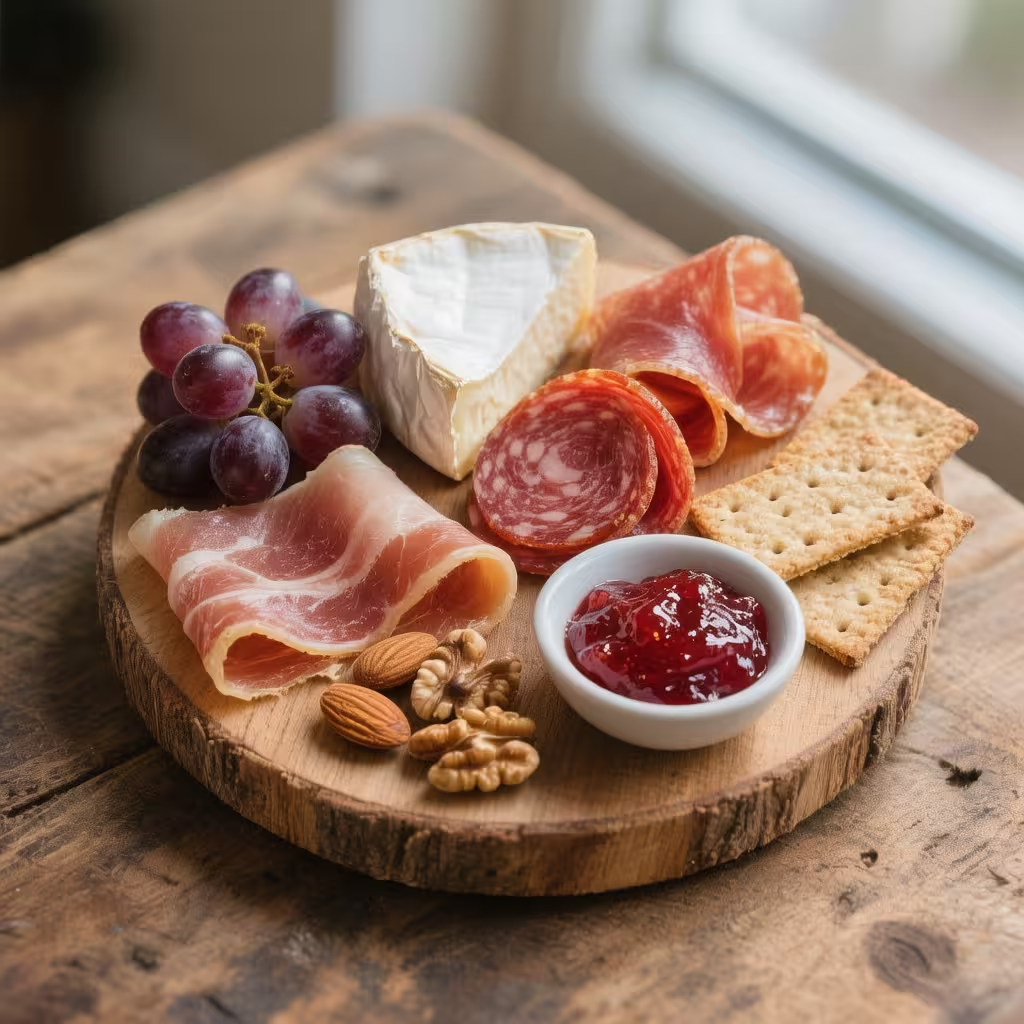
Table of Contents
Table of Contents
Why Personal Charcuterie Boards Are the New Entertaining Essential
A personal charcuterie board feels indulgent yet completely approachable. This trend moves away from one large, crowded platter. Instead, every guest gets their own perfectly curated selection. This immediately makes the experience feel more special and considerate. Imagine hosting a party where one guest receives a board focusing on soft cheeses, while another gets extra spicy salami. You can easily cater to individual tastes or dietary needs, perhaps giving one person extra fruit and another a gluten-free mini charcuterie board. This format is wonderfully interactive, stylish, and just ideal for today’s growing love of individualized servings. It transforms a simple snack into a personal gift.
Practical, Stylish, and Simple to Prep
These individual boards are also incredibly practical. You can prep all the ingredients hours ahead of time. Simply chop your cheeses, wash your fruits, and portion your nuts. When guests arrive, you just assemble each mini charcuterie board in minutes. This method still produces a stunning, photo-ready result without any last-minute kitchen stress. Small details make all the difference.
For instance, using mini jam jars, colorful napkins, or a sprig of fresh rosemary can make the board look truly elegant. This concept pairs beautifully with ideas from our guide to easy appetizer recipes. Plus, this approach naturally controls portions and significantly cuts down on food waste, as guests are more likely to finish their personal plate. For more inspiration on larger gatherings, see how this idea complements a holiday grazing platter.
How to Build Your Mini Charcuterie Board
Creating a mini charcuterie board doesn’t require complex skills; it’s all about balance, color, and variety. The main goal is to use just enough ingredients to make the board feel abundant without crowding the small space. Once you understand the basic structure, you’ll find it simple to design wonderful mini charcuterie board ideas for any occasion. This method works perfectly for everything, from a quiet movie night to an elegant celebration. You are essentially creating a small, edible work of art, and the formula is surprisingly straightforward. It’s a fun process that invites creativity.
The 3-3-3 Rule: Your Foolproof Formula
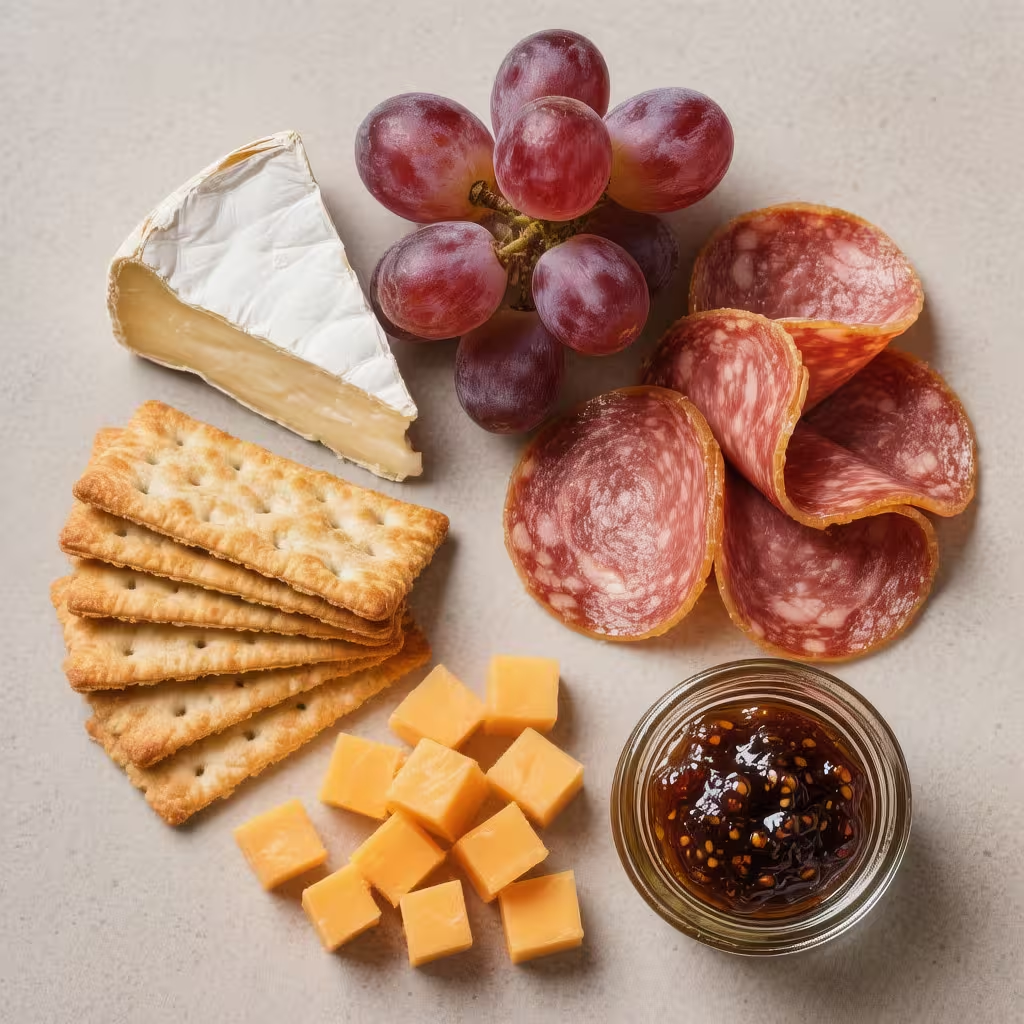
The easiest way to remember what goes on a mini charcuterie board is the “3-3-3 rule.” This is a simple, reliable guideline that both professional caterers and home entertainers use. It keeps your board balanced and visually appealing. Here’s the breakdown:
| Category | Examples |
|---|---|
| 3 Cheeses | A mix of hard, soft, or crumbly (e.g., brie, aged cheddar, goat cheese) |
| 3 Meats | Folded or sliced (e.g., salami, prosciutto, pepperoni) |
| 3 Accompaniments | Fruits, nuts, spreads, or pickles (e.g., grapes, almonds, fig jam) |
| (Optional) 3 Starches | Crackers, baguette slices, breadsticks |
This rule prevents that “too-much-of-one-thing” problem that can overwhelm a small board. You can also adapt it easily for dietary needs. For example, you might swap meats for roasted veggies or use vegan cheese alternatives. Our vegetarian snack board guide offers great substitutes that fit this pattern. Just use the same ratio, but scale down the quantities to fit your mini board.
Smart Shopping and Common Mistakes for Your Board
When you start putting together a mini charcuterie board, it’s easy to get carried away. The grocery store options look endless! However, a few common mistakes can stop your mini charcuterie board from looking its best. Let’s quickly walk through what to avoid. Then, I’ll share how to shop smartly for your mini charcuterie board ingredients, whether you’re visiting Aldi, Trader Joe’s, or your local market.
The 5 Things to Avoid on a Charcuterie Board
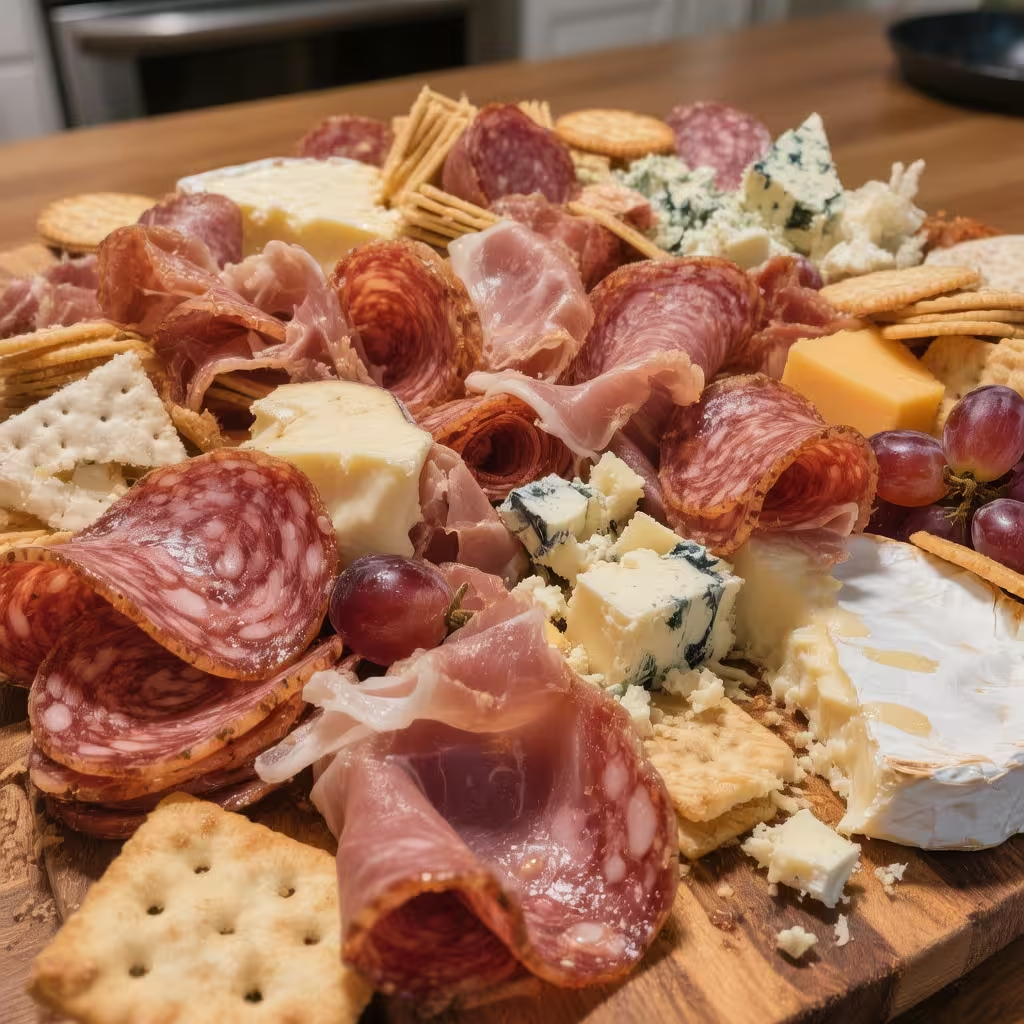
Even the most beautiful personal charcuterie board can fall flat if you make these simple errors. First, avoid overcrowding. A cluttered mini charcuterie board hides all the wonderful colors and textures that make these boards so inviting. You want it to look abundant, not chaotic. Second, don’t repeat similar flavors. Your personal charcuterie board needs variety: soft and hard, sweet and savory.
Third, pay attention to temperature. Cheeses get oily if they sit out too long, while meats can dry out. You should set up your boards just before serving. Fourth, don’t skip color contrast. Aesthetics matter! Add fresh fruits, herbs, or even some colorful savory dips and spreads to brighten the neutral tones. Finally, try not to overlook dietary needs. A thoughtful personal charcuterie board always includes options for everyone.
Aldi vs. Trader Joe’s: The Smart Charcuterie Shop
Now for the big question: Is Aldi or Trader Joe’s cheaper for mini charcuterie board supplies? In my experience, Aldi usually wins for affordability. Their cheese selection like aged cheddar and goat cheese logs costs much less than specialty stores. This makes it the perfect stop when you need budget-friendly party food. Their cured meats are also high-quality for the price, perfect for a budget mini charcuterie board.
Trader Joe’s, on the other hand, shines with unique items. Their seasonal cheeses and fig spreads make a personal charcuterie board feel extra special. For a balanced approach, I like to mix sources: I get staples from Aldi and showstoppers from Trader Joe’s. This strategy saves money while keeping the flavors on your mini charcuterie board exciting.
Serving, Styling & Personalizing Your Board
Once you’ve selected your ingredients and assembled your mini charcuterie board, it’s time for the fun part presentation. Styling transforms simple meats and cheeses into something that looks as beautiful as it tastes. Whether you’re preparing a few personal charcuterie boards for guests or creating a set for a celebration, how you serve them makes all the difference.
Serving and Styling Your Mini Charcuterie Board
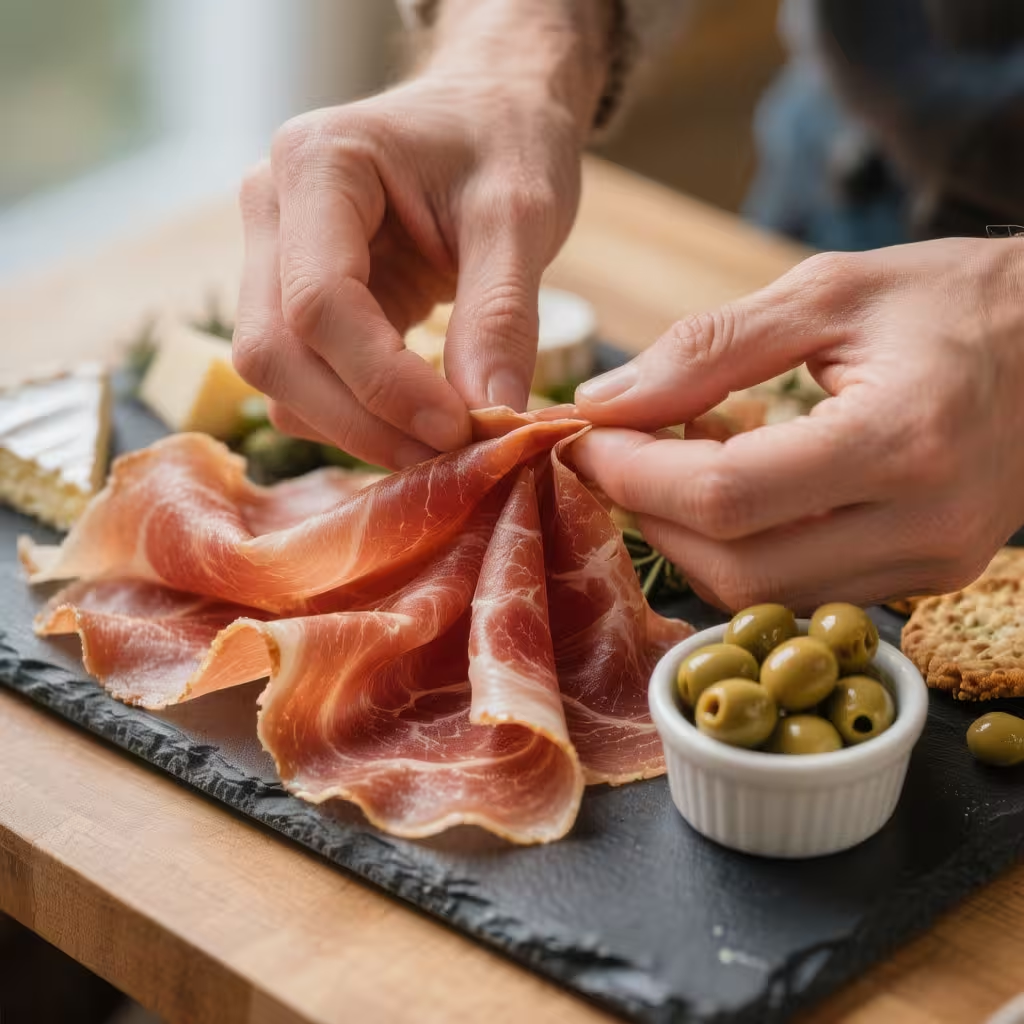
A great mini charcuterie board balances simplicity with flair. Start with the right base a small wooden cutting board, a marble slab, or even a nice ceramic plate. Choose something sturdy but lightweight enough for individual servings. Here are a few tips for styling success. First, start with structure. Place your cheeses, then layer meats and starches around them. This creates a natural focal point. Next, add color strategically.
Use fruits like grapes or dried apricots to brighten the neutral tones. A handful of pistachios adds texture. Also, play with height and shape. Fold or roll meats, stack crackers at an angle, and tuck small bowls of jam into corners. This mix of shapes keeps the board dynamic. Finally, use mini containers. Small ramekins keep dips tidy and help control portions for each guest.
Personal Charcuterie Board Touches for Memorable Moments
The beauty of a personal charcuterie board lies in the details. Because you customize each one, you can tailor ingredients to match your guests. Here are a few creative ideas. You can theme it up. Create brunch boards, which are always a hit; our creative brunch ideas post has more inspiration on that. You could also make dessert boards with chocolate and fruit. Or, add monograms or name tags.
A personalized card turns the snack into a small keepsake. You can also include a signature element, like a homemade dip. Seasonal swaps are also great. In summer, use melon; in fall, add figs. This keeps your mini charcuterie board fresh. You can even set up a DIY board bar. For gatherings, I often pair these boards with a light wine. If you need help, my how to pair wine and cheese guide is a quick reference. By focusing on thoughtful styling, your small boards will feel curated and full of character.
FAQ : mini charcuterie board
What is the 3-3-3 rule for charcuterie boards?
The 3-3-3 rule helps keep your board balanced and appealing. You choose three cheeses, three meats, and three accompaniments like fruits, nuts, or spreads. Some hosts even add a fourth trio for starches such as crackers or breadsticks. This method provides variety without clutter and works beautifully for mini charcuterie board ideas too.
What goes on a mini charcuterie board? A mini charcuterie board
includes smaller portions of traditional board favorites. Aim for one or two cheeses, one or two meats, a handful of crackers, and something sweet or tangy such as grapes, pickles, or honey. Use small bowls for dips and jams, and add fresh herbs or edible flowers for color.
What are five things to avoid on a charcuterie board?
First, avoid overcrowding the space so guests can serve themselves easily. Second, don’t repeat similar textures or flavors; variety is key. Third, avoid serving ingredients at the wrong temperature. Fourth, stay away from too many wet or strong-smelling items that can overpower others. Fifth, try not to forget dietary needs; always include options for everyone.
Is Aldi or Trader Joe’s cheaper for charcuterie board shopping?
Aldi generally offers the lowest prices for staples like cheese, crackers, and cured meats. Trader Joe’s, however, shines with its unique spreads, flavored nuts, and seasonal finds. For most hosts, a mix of both stores provides the best balance between budget and quality for their personal charcuterie board needs.
Conclusion
A mini charcuterie board proves that entertaining doesn’t have to be elaborate or expensive. With a few thoughtful choices, you can build something that looks wonderful and tastes even better. Whether you’re curating several personal charcuterie boards for guests or crafting one for yourself after a long week, the process is part of the pleasure.
Start with the 3-3-3 rule, use vibrant ingredients, and have fun with presentation. Pair each board with a drink you love and a bit of conversation. Before you know it, your guests will be asking for seconds and maybe even your secret to effortless hosting.
For more entertaining tips, visit Flavor Foodies’ easy appetizer recipes page and budget-friendly party food tutorials to expand your hosting repertoire.
Recipe Card :mini charcuterie board
Print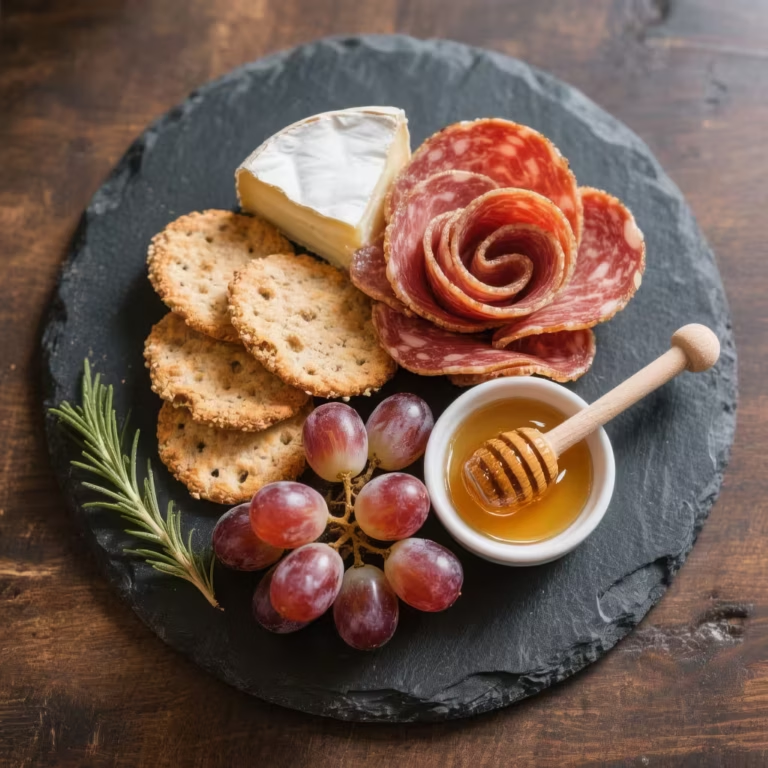
Mini Charcuterie Board Ideas: Your Simple Guide to Personal Spreads
A simple, classic mini charcuterie board that is perfect for a single serving. This formula follows the 3-3-3 rule for a balanced and beautiful personal board.
- Total Time: 10
- Yield: 1 mini board 1x
Ingredients
1 oz hard cheese (e.g., aged cheddar or Manchego), cubed
1 oz soft cheese (e.g., brie or goat cheese)
1 oz cured meat (e.g., salami or prosciutto), folded
1/3 cup fruit (e.g., grapes or berries)
1 tbsp jam or honey
2 tbsp nuts or olives
4–5 crackers or small bread slices
Instructions
1. Select your base: Start with a small wooden board, slate tile, or sturdy plate (about 6-8 inches).
2. Place cheeses: Arrange the hard and soft cheeses on opposite corners of the board.
3. Add meat: Fold the cured meat slices and place them near the cheeses.
4. Fill gaps: Add the fruit, nuts, and olives in the empty spaces.
5. Add spreads: Pour the jam or honey into a very small ramekin or bowl and place it on the board.
6. Add starches: Fan the crackers or bread slices along the edge or in a small pile.
7. Garnish: (Optional) Add a small sprig of fresh rosemary or thyme for color.
Notes
Customize It: Swap ingredients based on preference. Try different cheeses, add pickles, or use chocolate for a dessert version.
Prep Ahead: You can cube cheeses and wash fruits ahead of time. Assemble just before serving to keep crackers crisp.
- Prep Time: 10
- Category: Appetizer
- Method: Assembly
- Cuisine: American / European
Nutrition
- Serving Size: 1 board
- Calories: 350
- Sugar: 12g
- Sodium: 580mg
- Fat: 22g
- Saturated Fat: 10g
- Unsaturated Fat: 0
- Trans Fat: 0
- Carbohydrates: 25g
- Fiber: 3g
- Protein: 15g
- Cholesterol: 60mg