

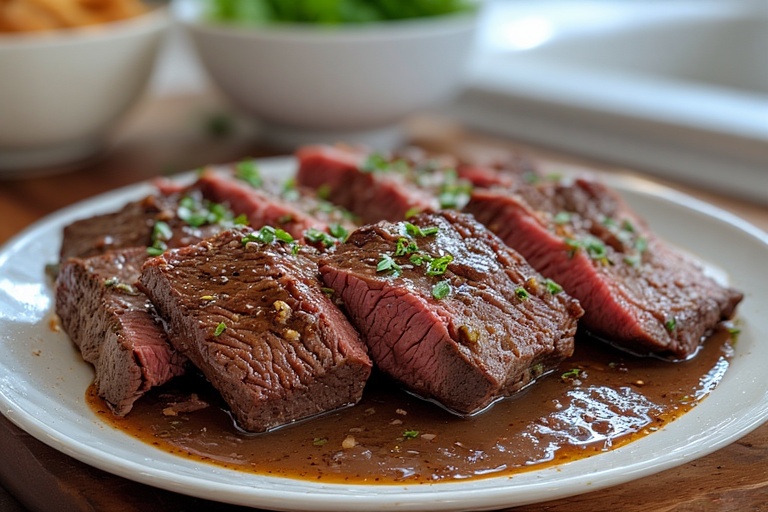
This article will unlock the secrets to transforming beef cheek meat, a budget-friendly cut, into a meal worthy of a fine dining restaurant. We will explore everything from what this cut is to the best ways to prepare and cook it, ensuring a fall-apart tender result every time. Furthermore, you will learn essential trimming techniques, master the art of slow braising, and discover perfect serving suggestions that will impress anyone at your dinner table. Let’s begin this flavorful journey together.
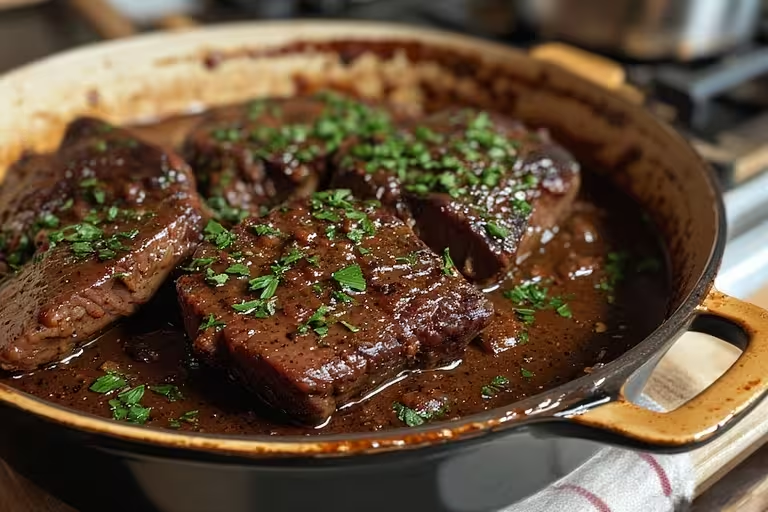
Table of Contents
Table of Contents
Best Braised Beef Cheek Meat for a Rich, Flavorful Dinner
Hi there ,and a warm welcome to my little corner of the kitchen! I’m Maya Thompson, and I’m so thrilled you’ve found your way here. Cooking, for me, has always been more than just food on a plate. It’s about the stories we tell, the people we share it with, and the magic that happens when simple ingredients come together in just the right way.
My journey began years ago, long before I could even reach the counter, in my grandmother’s sunlit kitchen in Savannah, Georgia. I’m 38 now, but I can still remember the smell of her famous sourdough bread. That philosophy of simple, heartfelt cooking is what inspired this beef cheek meat recipe. It’s a cut that rewards patience with incredible flavor, turning a humble ingredient into something truly special.
Discovering the Magic of Beef Cheek Meat
Some of my fondest memories involve slow-cooked meals simmering away on a Sunday afternoon, filling the house with an incredible aroma. The anticipation was always the best part. That’s the feeling I get when I prepare beef cheek meat, a cut that truly embodies the art of slow cooking. It’s an affordable cut that, with a little time and care, transforms into a luxurious dish that melts in your mouth. Much like a comforting soup, such as a hearty lasagna soup, it’s the kind of meal that feels like a warm hug. If you’re new to this cut, you are in for an amazing treat.
What Exactly is Beef Cheek Meat?
So, what exactly is beef cheek meat? As the name suggests, it is the facial cheek muscle of the cow. Since cows spend a great deal of their day chewing, this muscle is one of the most hard-working on the animal. This constant use results in a very tough cut of meat packed with dense muscle fibers and connective tissue. However, this is precisely what makes it so special. This tissue is rich in collagen, which is the key to the meat’s incredible transformation during cooking. While you can make other quick and delicious beef recipes, like these beef enoki rolls, beef cheeks meat requires a different approach to unlock its full potential.
Why Collagen is the Key
The reason collagen is so important is that it breaks down into silky gelatin when cooked at a low temperature for an extended period. This process is what turns the initially tough beef cheek meat into something extraordinarily tender and succulent. The gelatin coats the muscle fibers, giving the final dish a rich, unctuous mouthfeel and a signature stickiness that you won’t find in many other cuts. Unlike leaner cuts that can dry out, beef cheeks remain incredibly moist and juicy. This transformation is the secret behind the deep, concentrated beef flavor that makes this cut a favorite among chefs and home cooks alike.
Preparing Your Beef Cheek Meat for Perfection
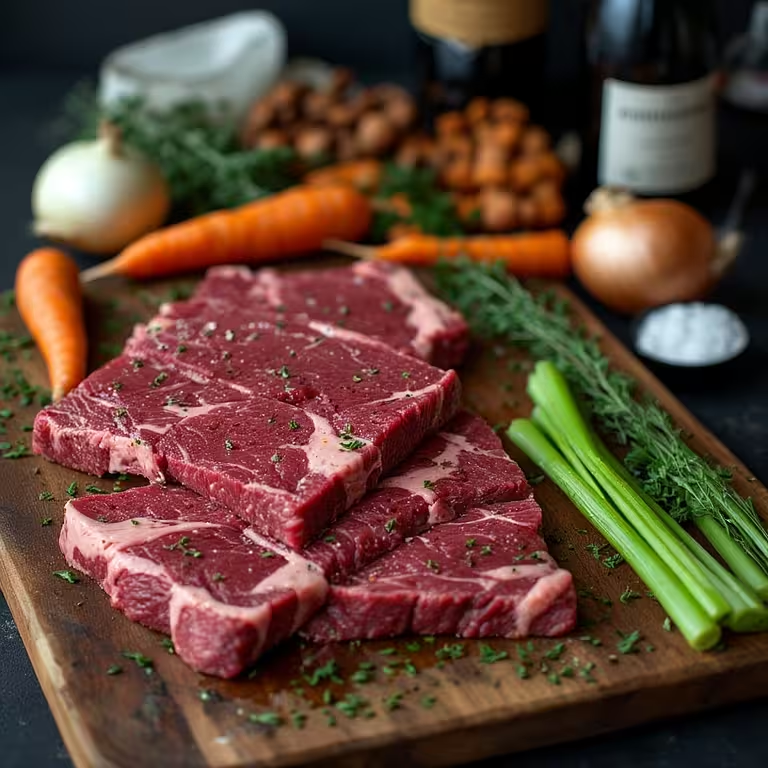
Before you can achieve that fall-apart tender texture, properly preparing your beef cheek meat is key. It all starts with selecting the right cut. Consequently, you should look for beef cheek meat that has a deep, vibrant red color and appears firm to the touch at your local butcher. It’s best to avoid any pieces that show significant discoloration.
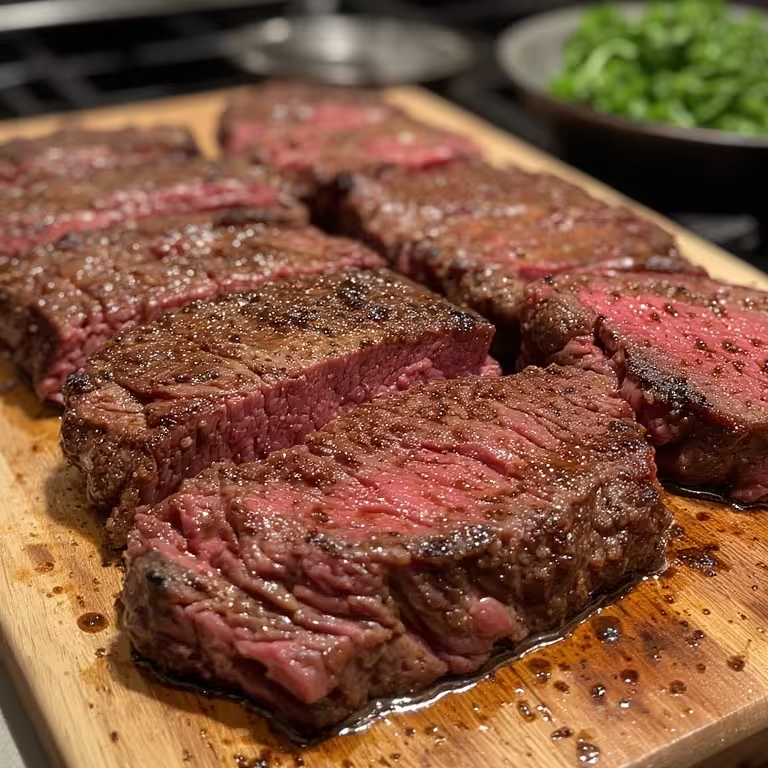
Once you have your cut, the next crucial step is trimming. While some fat adds flavor, you will want to remove any large, thick pieces of the outer membrane or silver skin from the beef cheek meat. This is because this tough tissue will not break down during cooking. A sharp boning knife is the perfect tool for this job, allowing you to carefully trim away the unwanted bits.
The Importance of Proper Seasoning
Once trimmed, seasoning is the final step before you begin cooking the beef cheek meat. A simple, generous coating of coarse salt and freshly ground black pepper is a great starting point. Indeed, the salt acts as a dry brine, which helps to tenderize the meat and enhance its natural flavor. For a deeper flavor profile, you can use your favorite beef rub.
Many traditional recipes, especially those for Tex-Mex dishes like barbacoa, call for spices like cumin to be rubbed into the meat. This is similar to how you might season fillings for some of the best Tex-Mex casseroles. Don’t be afraid to coat the meat thoroughly on all sides; this will help create a flavorful crust when you sear it. A simple side like cheesy rice can be a perfect companion to balance these bold flavors.
Mastering the Art of Cooking Beef Cheek Meat
The absolute best way to cook beef cheek meat is by braising it low and slow. This method involves searing the meat to develop a deep brown crust, then simmering it gently in liquid for several hours until it becomes incredibly tender. First, you heat a bit of oil in a heavy-bottomed pot or Dutch oven over high heat and sear the cheeks on all sides. This step is crucial for building flavor.
After searing, you remove the meat and sauté aromatic vegetables like onions, carrots, and celery in the same pot. Once the vegetables have softened, you can add your braising liquid, red wine or beef broth are excellent choices. Next, you return the beef cheeks to the pot, bring the liquid to a simmer, then cover and transfer it to an oven set to a low temperature, around 320°F (160°C). The meat will need to cook for at least 3 to 4 hours. It’s a method that requires patience but delivers a rewarding meal, much like crafting the perfect blackened shrimp tacos.
Alternative Cooking Techniques
While oven braising is classic, you have other fantastic options for cooking your beef cheek meat. A slow cooker, for instance, is a perfect tool for this cut, as it maintains a consistent low temperature for an extended period. Simply sear the meat and sauté the vegetables on the stovetop, then transfer everything to your slow cooker and cook on low for 8 to 10 hours. This hands-off approach is perfect for a busy day.
For those who enjoy a smoky flavor, smoking the beef cheeks meat is another terrific method. You can smoke them for about three hours before continuing to cook them in a covered pan with liquid to ensure they become tender. This technique gives the meat a flavor profile similar to brisket but in a fraction of the time. For a quicker appetizer, a dish like a French onion dip can be prepared while the main course cooks.
Serving and Savoring Your Culinary Creation
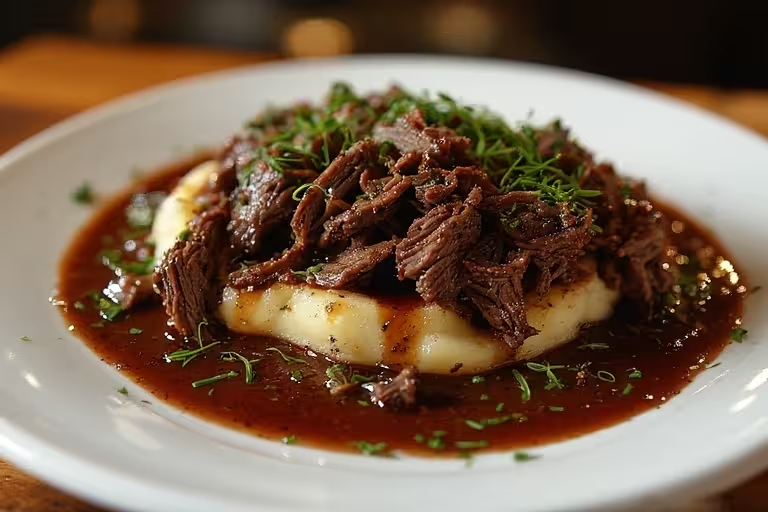
Once your beef cheek meat is perfectly tender, the possibilities for serving it are nearly endless. One of the most classic and satisfying pairings is creamy mashed potatoes. The rich, silky sauce from the braise pools beautifully over the potatoes, creating a comforting and elegant dish. Additionally, other great options include creamy polenta, Parmesan risotto, or even a simple side of roasted root vegetables. The goal is to have something that can soak up every last drop of the delicious braising liquid. For a touch of freshness, you can garnish the dish with finely chopped parsley just before serving. This simple addition adds a pop of color and a clean note to balance the richness of the meat.
Versatile Ways to Use the Meat
Beyond the classic pairings, shredded beef cheek meat is incredibly versatile. For example, it makes a fantastic filling for tacos, particularly for authentic beef barbacoa. You can serve the shredded meat on warm corn tortillas with diced onion, cilantro, and a squeeze of lime. You can also use the meat in sandwiches, quesadillas, or as a topping for nachos.
The rich, flavorful meat stands up well to bold flavors, making it a great component in a variety of dishes. Whether you are aiming for an elegant dinner or a casual weeknight meal, this cut delivers. You can explore more fantastic dinner recipes on our site for more inspiration. And remember, exploring different cuisines, like a flavorful Thai coconut fish curry, can often spark new ideas for your next meal.
FAQ : beef cheek meat
What is beef cheek meat?
Beef cheek meat comes from the facial cheek muscle of a cow. Because this muscle is used extensively for chewing, it is a tough cut of meat that contains a lot of collagen. When cooked using a low and slow method like braising, this collagen breaks down into gelatin, resulting in an exceptionally tender, moist, and flavorful meat.
What is another name for beef cheek meat?
Beef cheek meat is sometimes referred to by other names depending on the context. In Spanish-language markets and Mexican cuisine, it is known as carrillera or cachete de res. Professional butchers might also refer to it by its anatomical name, the masseter muscle.
Are beef cheeks good to eat?
Absolutely. Beef cheeks are considered a delicacy by many chefs for their rich, intense beef flavor and incredibly tender texture when cooked properly. They are highly valued for their high collagen content, which creates a uniquely succulent result that is hard to achieve with other cuts.
Is beef cheek meat tough?
In its raw state, beef cheek meat is very tough due to the dense muscle fibers from constant use. However, this toughness is precisely what makes it ideal for slow cooking methods. The long cooking process breaks down the tough tissues, transforming the meat into something that is fall-apart tender.
Conclusion
Embracing a cut like beef cheek meat is a true culinary adventure. It reminds us that with a little patience, even the most humble ingredients can be transformed into something truly extraordinary. This cut proves that you don’t need expensive steaks to create a rich, satisfying, and memorable meal. The magic lies in the slow, gentle cooking that unlocks its deep flavor and melt-in-your-mouth texture. I encourage you to give this recipe a try and discover for yourself why beef cheeks are a treasured secret among those who love to cook.
TASTY RECIPE CARD
Print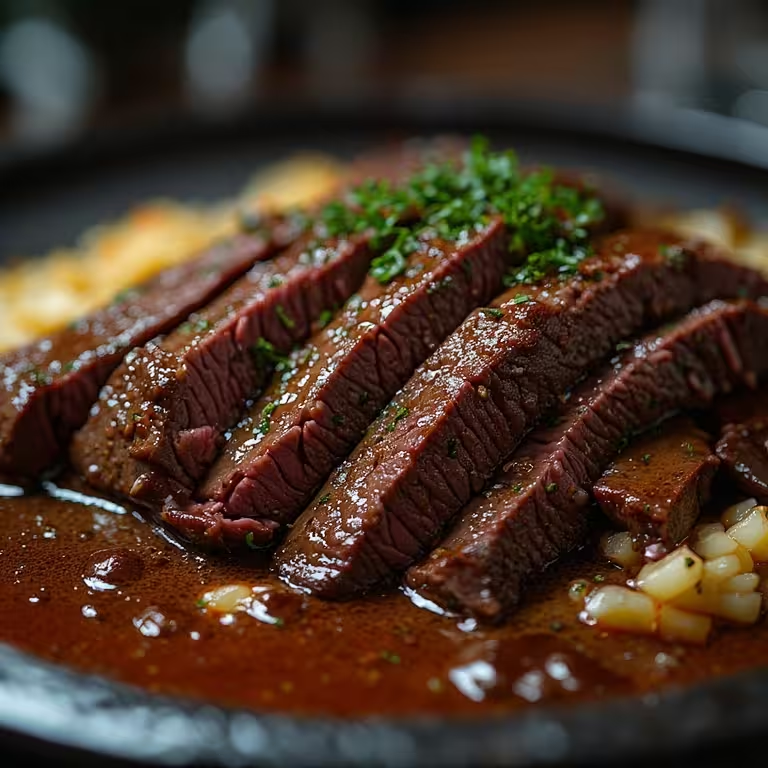
beef cheek meat
Hi, I’m Maya Thompson the creator behind Flavor Foodies.This recipe turns tough beef cheek meat into a tender, flavorful masterpiece. Slowly braised in red wine and rich beef broth with aromatic vegetables, the meat becomes melt-in-your-mouth soft. It’s the perfect comforting dish for a special occasion or a cozy Sunday dinner transforming a humble cut into something truly unforgettable.
- Total Time: 4 hours 20 minutes
- Yield: 4–6 servings 1x
Ingredients
4 beef cheeks (about 3 lbs total), trimmed
2 tbsp olive oil
1 large yellow onion, chopped
2 large carrots, chopped
2 celery stalks, chopped
4 cloves garlic, minced
1 (750 ml) bottle dry red wine, such as Cabernet Sauvignon
4 cups beef broth
2 tbsp tomato paste
2 sprigs fresh thyme
2 bay leaves
Coarse salt and freshly ground black pepper to taste
Fresh parsley, chopped, for garnish
Instructions
1. Pat the beef cheeks dry with paper towels and season generously with salt and pepper on all sides.
2. Heat the olive oil in a large Dutch oven or heavy-bottomed pot over medium-high heat. Add the beef cheeks in a single layer (work in batches if necessary) and sear until deeply browned on all sides, about 4-5 minutes per side. Remove the beef cheeks from the pot and set aside.
3. Reduce the heat to medium. Add the chopped onion, carrots, and celery to the pot. Sauté for 8-10 minutes, until softened and lightly caramelized. Add the minced garlic and cook for another minute until fragrant.
4. Stir in the tomato paste and cook for 1 minute. Pour in the red wine, scraping up any browned bits from the bottom of the pot. Bring to a simmer and let it cook for 5 minutes, allowing the wine to reduce slightly.
5. Return the seared beef cheeks to the pot. Add the beef broth, thyme sprigs, and bay leaves. The liquid should almost completely cover the meat.
6. Bring the mixture to a simmer, then reduce the heat to low, cover the pot, and let it cook gently for 3.5 to 4 hours, or until the beef cheeks are fall-apart tender. Alternatively, you can cook it in an oven preheated to 325°F (160°C) for the same amount of time.
7. Carefully remove the tender beef cheeks from the pot. Strain the braising liquid through a fine-mesh sieve into a saucepan, discarding the solids. Bring the liquid to a boil over medium-high heat and let it reduce until it has thickened into a glossy sauce, about 10-15 minutes.
8. Serve the beef cheeks whole or shredded, generously spooning the sauce over the top. Garnish with fresh parsley. It pairs wonderfully with mashed potatoes or creamy polenta.
Notes
Trimming the beef cheeks is important. Remove any excess fat and the tough, silvery membrane before searing for the best texture.
Don’t rush the searing process. A deep, dark brown crust on the meat builds a huge amount of flavor for the final dish.
The braising liquid can be made ahead of time. The flavor often improves after a day in the refrigerator.
- Prep Time: 20 minutes
- Cook Time: 4 hours
- Category: Dinner
- Method: Braising, Slow Cooking
- Cuisine: American, French
Nutrition
- Serving Size: 1 cheek
- Calories: 685 kcal
- Sugar: 8 g
- Sodium: 950 mg
- Fat: 38 g
- Saturated Fat: 14 g
- Carbohydrates: 16 g
- Fiber: 4 g
- Protein: 52 g
- Cholesterol: 195 mg